
RecommendedFrom Briansk to Becoming is the story of how I went from a little girl born with Cerebral Palsy in Russia to a woman who refuses to be defined by a diagnosis, choosing instead to define myself by resilience, purpose, and possibility.
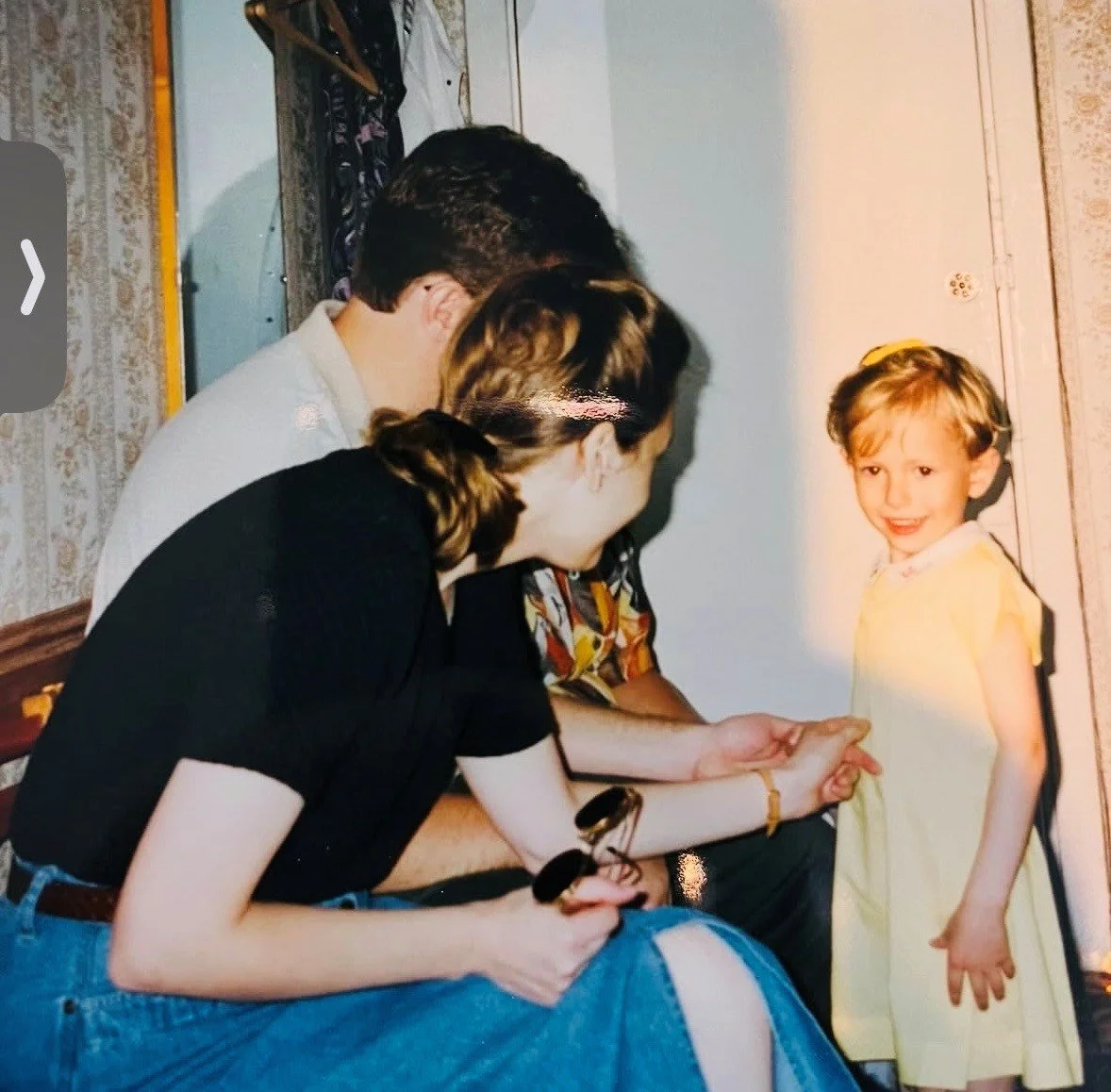
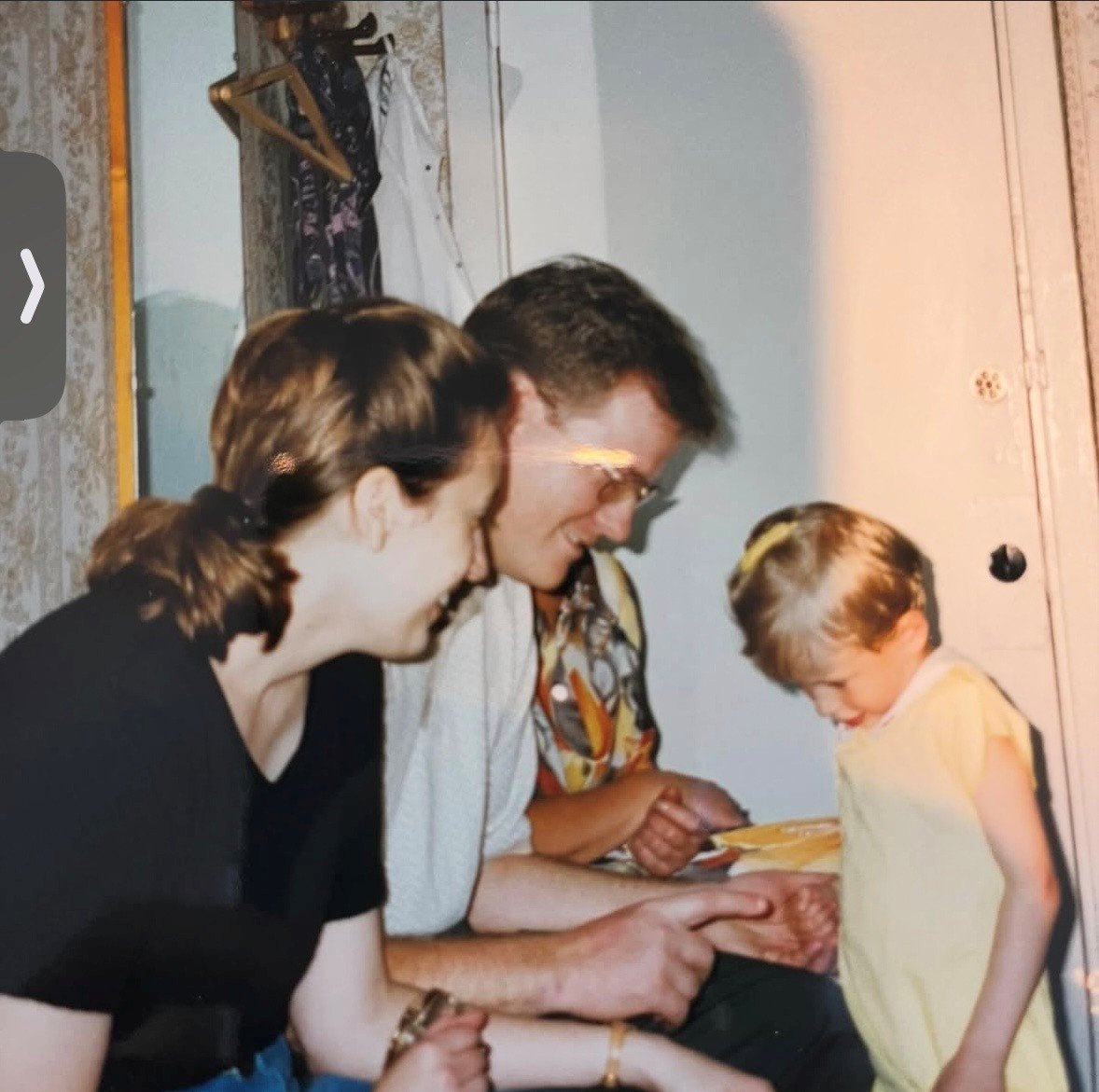
I was born in Briansk, Russia, to Maria and Andrev. That is all I know — and, for my story, all I need to know. Because of choices made before I ever took my first breath, I suffered an anoxic brain injury that resulted in Cerebral Palsy — a neurological condition that would become a lifelong negotiation between what my brain intends and what my muscles decide.
I didn’t choose that beginning.
I didn’t have a voice in it.
And after spending nearly six years in an orphanage, I had no reason to believe my life would ever be bigger than my diagnosis.
Then came June of 1996.
Theresa and Mike traveled halfway across the world to adopt a little girl they were told was “different,” though no one could fully explain why. They didn’t see limitation. They saw possibility. They didn’t see a diagnosis. They saw a daughter.
And because they loved me, they fought for answers.
Testing began. Appointments followed. Words like “spasticity,” “tone,” and “neurological damage” entered our vocabulary. Then came the interventions.
First were the leg braces — stiff, confining, and the absolute bane of my childhood existence. They didn’t last long. You can blame my stubborn determination to run.
Next came three months in a cast, stretching my right calf muscle and forcing my heel to the ground. It worked — temporarily. But it also meant sitting out, watching other kids just be kids. When the cast came off and I was asked if we should do it again, I confidently answered, “Never again.”
Then came the procedure I will never forget: a pencil-sized needle pushed deep into my calf muscle while electrodes shocked my nerves to pinpoint exactly where to inject Botox. I was held down, screaming, terrified. It felt brutal. But it worked. For years, every six to eight months, I endured those injections to loosen the muscles that refused to cooperate.
Until one day, around age fifteen, they simply stopped working.
And I made a decision.
I was done trying to fix what wasn’t broken.
My parents had already made the most important choice years before — they let me be a kid. The braces stopped early because they saw something I hadn’t yet learned to see: my Cerebral Palsy was not a barrier to my childhood. I could run. I could fall. I could compete. I could have a different gait and still have a full life.
That was when everything shifted.
Cerebral Palsy stopped being something we were trying to erase — and became something I was learning to live with.
Living with it didn’t mean ignoring it. It meant understanding it. It meant knowing my muscles would tighten without permission. It meant accepting tremors that wouldn’t disappear just because I wanted them to. It meant negotiating daily between frustration and determination.
But it also meant discovering resilience before I knew the word for it.
It meant picking up a golf club — with a body that didn’t always cooperate — and becoming one of the best golfers on my high school team. It meant walking into rooms knowing people would notice my gait first, but staying long enough that they remembered my voice instead.
I used to think strength meant overcoming Cerebral Palsy.
Now I know strength means leading it.
Every day, my brain and body still have their meetings. Some days are louder than others. Some days require more patience. But I show up to that lifelong negotiation determined to be in charge.
Cerebral Palsy is part of my story.
It shaped me.
It challenged me.
It refined me.
But it does not define me.
I define me.