
What if the things that seem to separate us are actually the things that connect us?
Click on the articles below to explore how shared human experiences exist—whether you live with a disability or not.
When Your Heart, Life, and Body All Shift at Once
Life has a way of changing everything all at once. In the span of a few weeks, I’ve navigated grief, unexpected challenges, and a body that asked me to adapt—again. This season has taught me that strength isn’t about avoiding hard moments, but learning how to move through them with grace.
The Day My Daughter Redefined ‘Disabled’
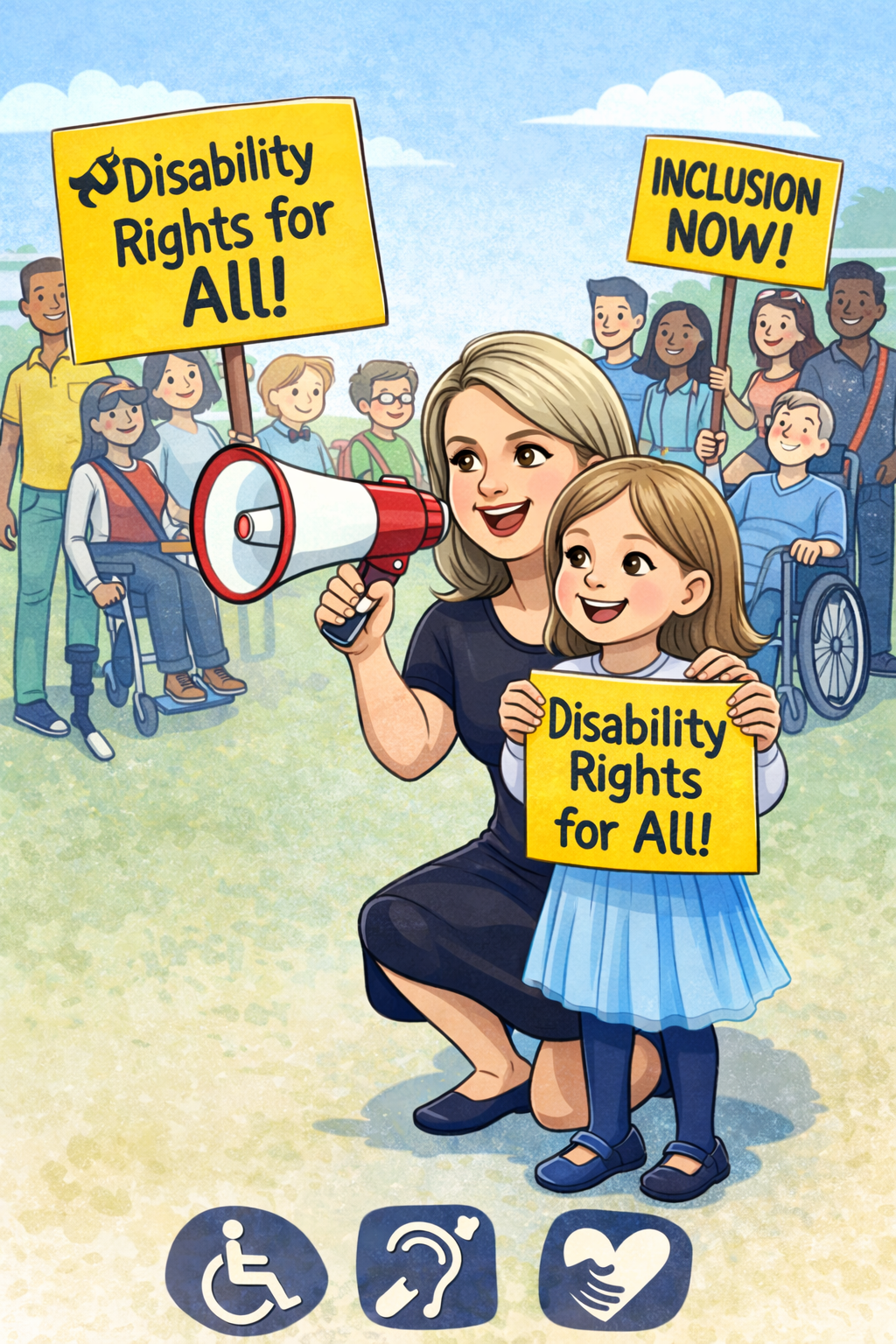
“Mom, if I had Cerebral Palsy like you, would that just feel normal to me?”
I told her, “Yes… because it would only be one small part of what makes you strong.”
She looked at me and said, without hesitation—
“Then you must be super strong.”
Resilience Over Restriction
When your body feels out of your control, your mind becomes your greatest tool.
Pause. Breathe. Speak to yourself with the same strength you offer others.
Reach out. Reset. Refocus.
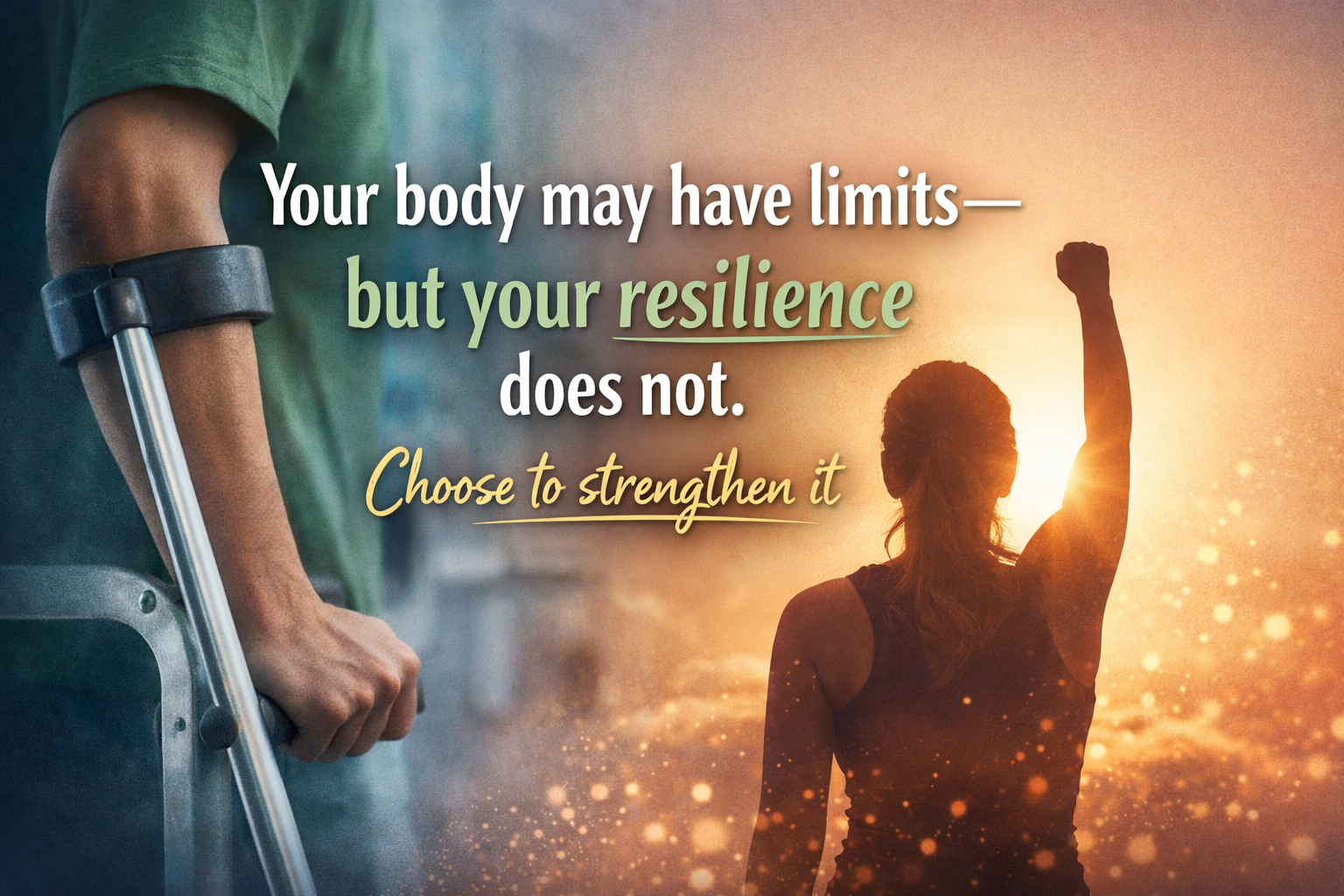
Your body may have limits—but your resilience does not. Choose to strengthen it.
Illuminate the Label: What Cerebral Palsy Gave Me
Most people see Cerebral Palsy as a limitation.
I see it as a relentless teacher.
It didn’t ask permission to shape my life — but it refined me in ways comfort never could. It gave me resilience before I knew the word. It forced creativity. It deepened empathy. It sharpened humor. It strengthened leadership.
What if disability isn’t something to hide… but something to illuminate?
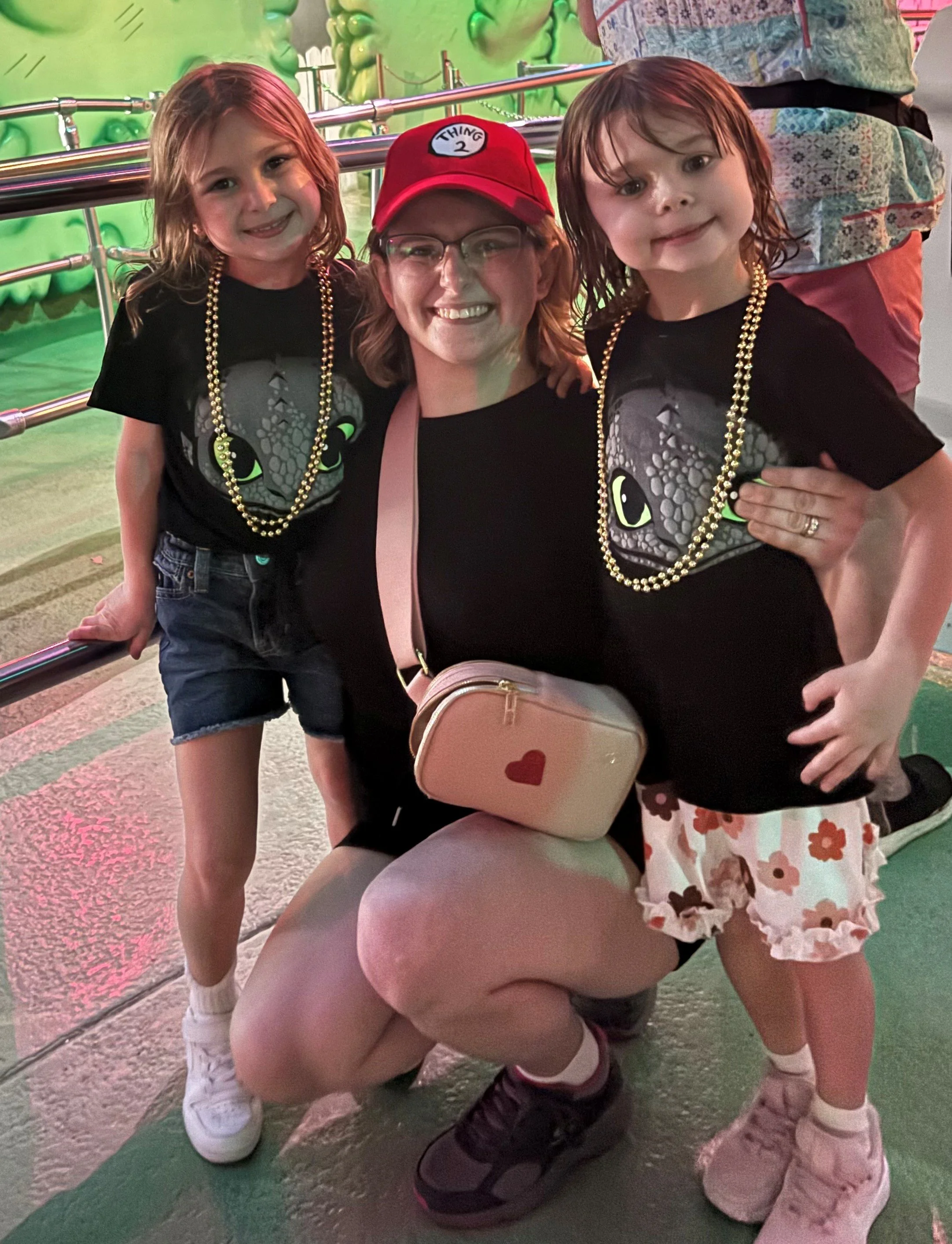
Engineering Accessibility at Universal Studios
Universal was magical — but accessibility is never finished. It’s engineered.
More seating. Mobility lanes. Quiet reset zones.
Accessibility for some benefits everyone.
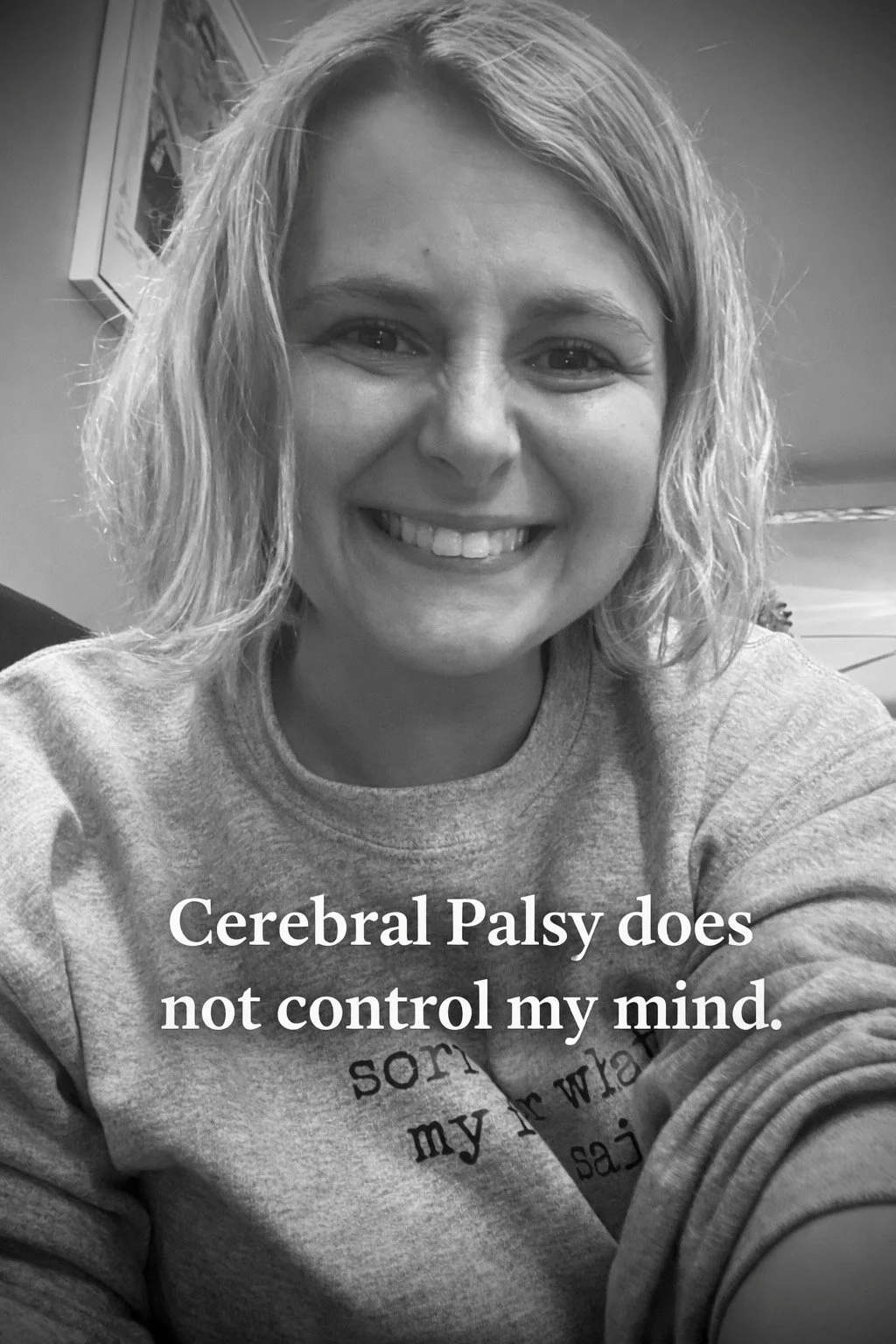
What Cerebral Palsy Taught Me About Control (And Letting Go of It)
Muscle misfires. Tremors. Fatigue. Pain.
Those are neurological.
Determination? Leadership? Ambition?
That’s mine.
In my latest blog, I answer the question I’m asked constantly:
“Can you control it?”
The answer may surprise you — and challenge how you define control in your own life.
“Don’t Guess. Ask.” — The Four Words That Change Accessibility
We’re wired to help — but when it comes to disability, good intentions can easily turn into awkward assumptions. There’s a better way.
Instead of guessing, fixing, or overcompensating, try four simple words: “What do you need?”
WHAT MY TREMORS DON’T SHOW: THE READINESS THEY BUILT - PART IV
We live in a world that prizes control—steady hands, predictable paths, clear outcomes. But life rarely moves that cleanly. Uncertainty, disruption, and change arrive without warning, asking us to adapt long before we feel ready.
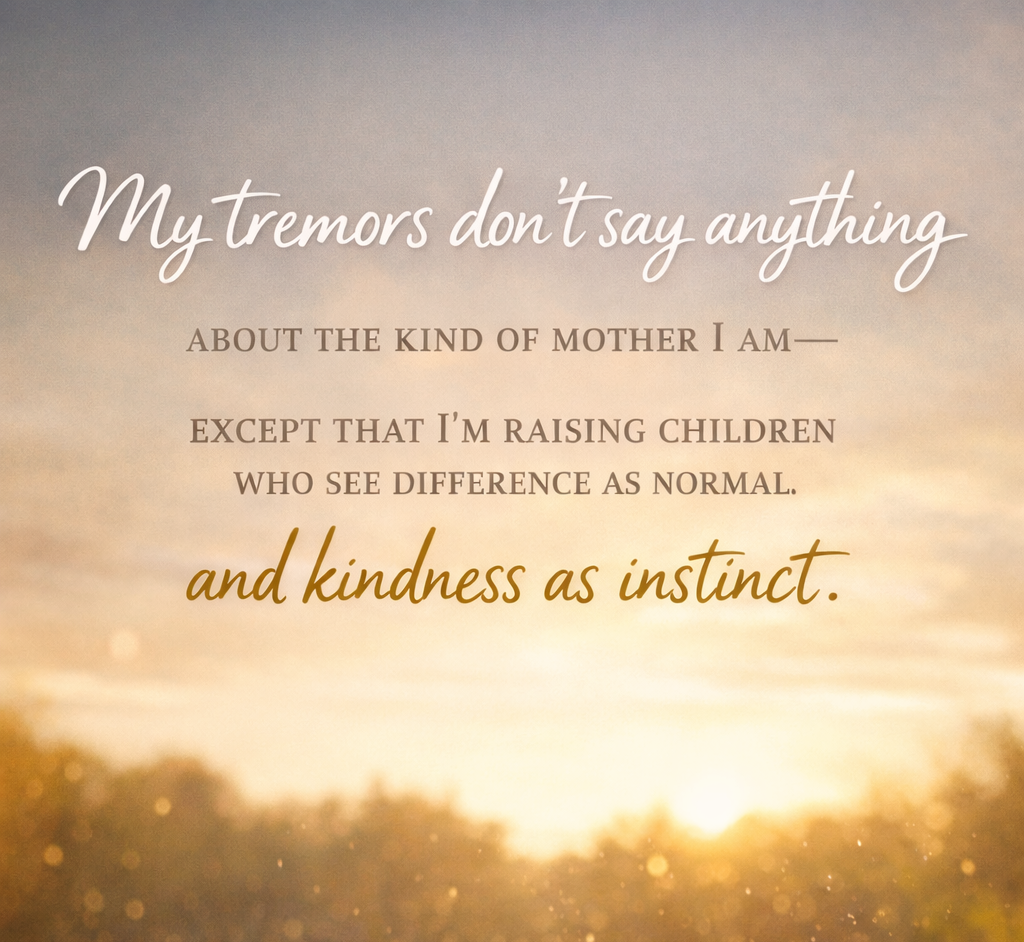
WHAT MY TREMORS DON’T SAY ABOUT ME - PART III
Some mornings, my tremors make simple tasks feel impossible—but in those moments, my daughter steps in without hesitation, and I’m reminded with deep pride that I’m raising a child who leads with empathy, confidence, and kindness.
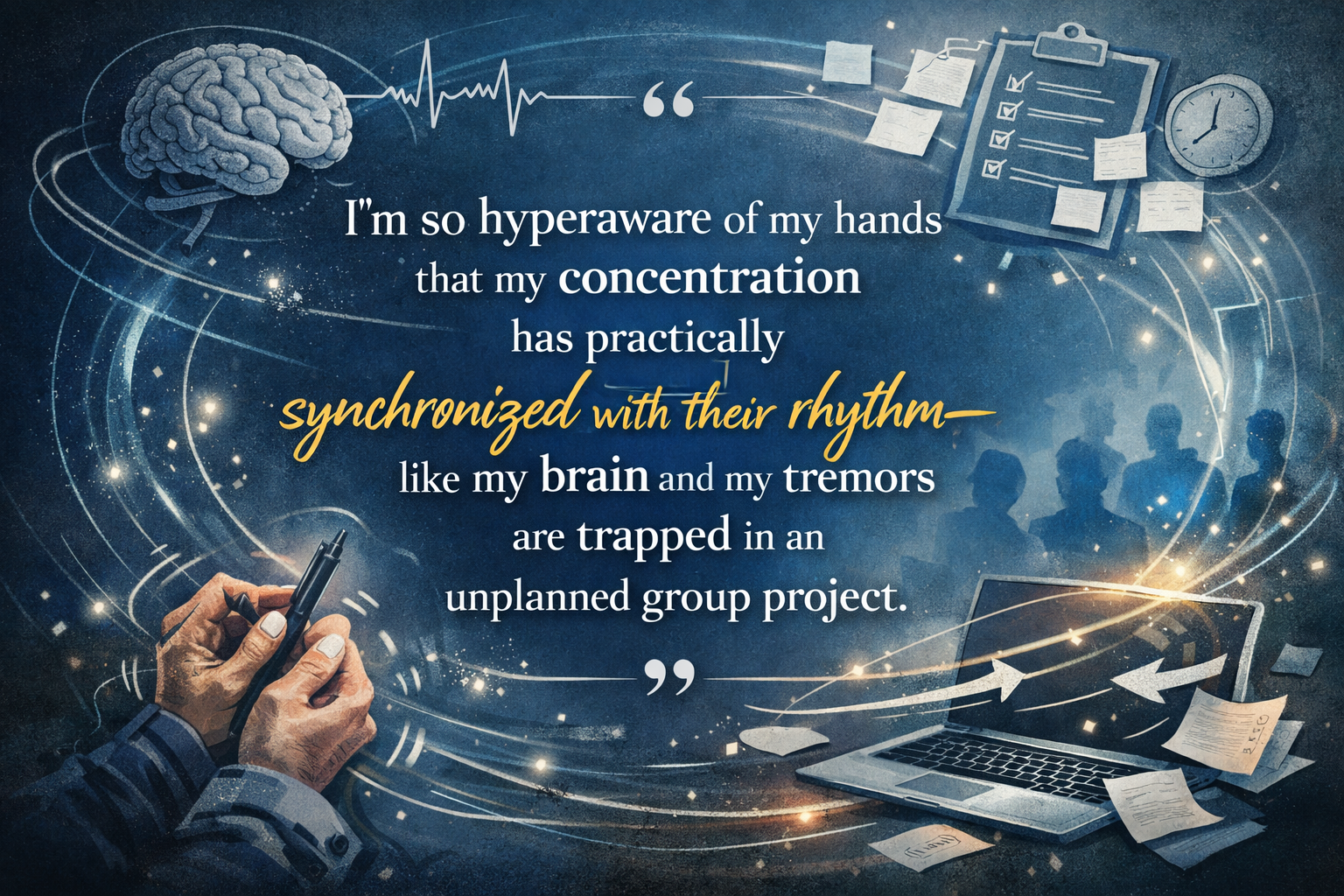
WHAT TREMORS DON’T SAY ABOUT ME - PART II
This post builds on my previous piece about living with tremors. While Part One focused on what tremors look like from the outside, this chapter explores what’s actually happening inside the body—and why shaking doesn’t mean distraction, lack of control, or limitation.
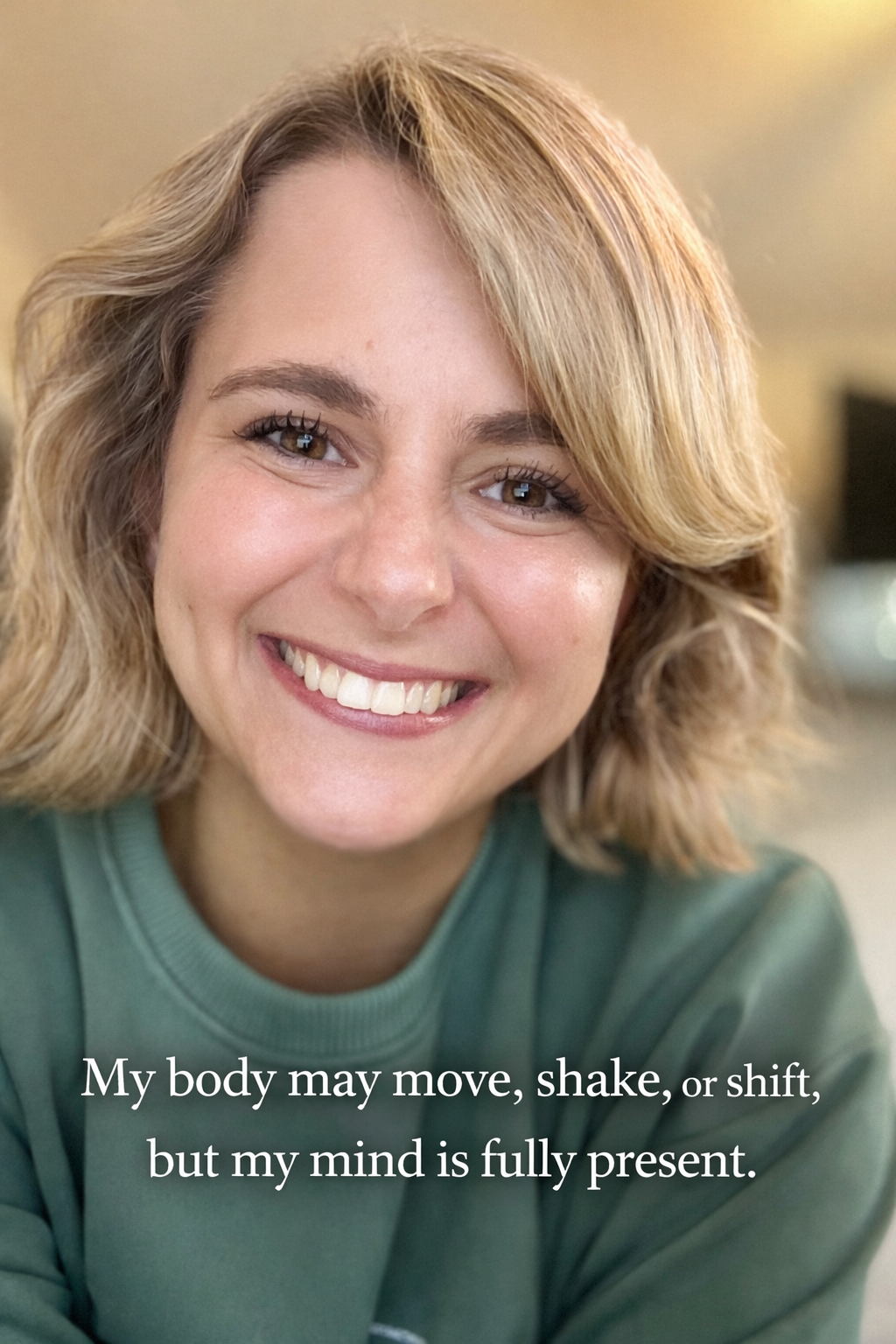
WHAT MY CEREBRAL PALSY TREMORS DON’T SAY ABOUT ME - PART I
My body may move, shake, or shift, but my mind is fully present. This piece takes you inside what cerebral palsy really looks like—and why stillness isn’t a measure of attention.
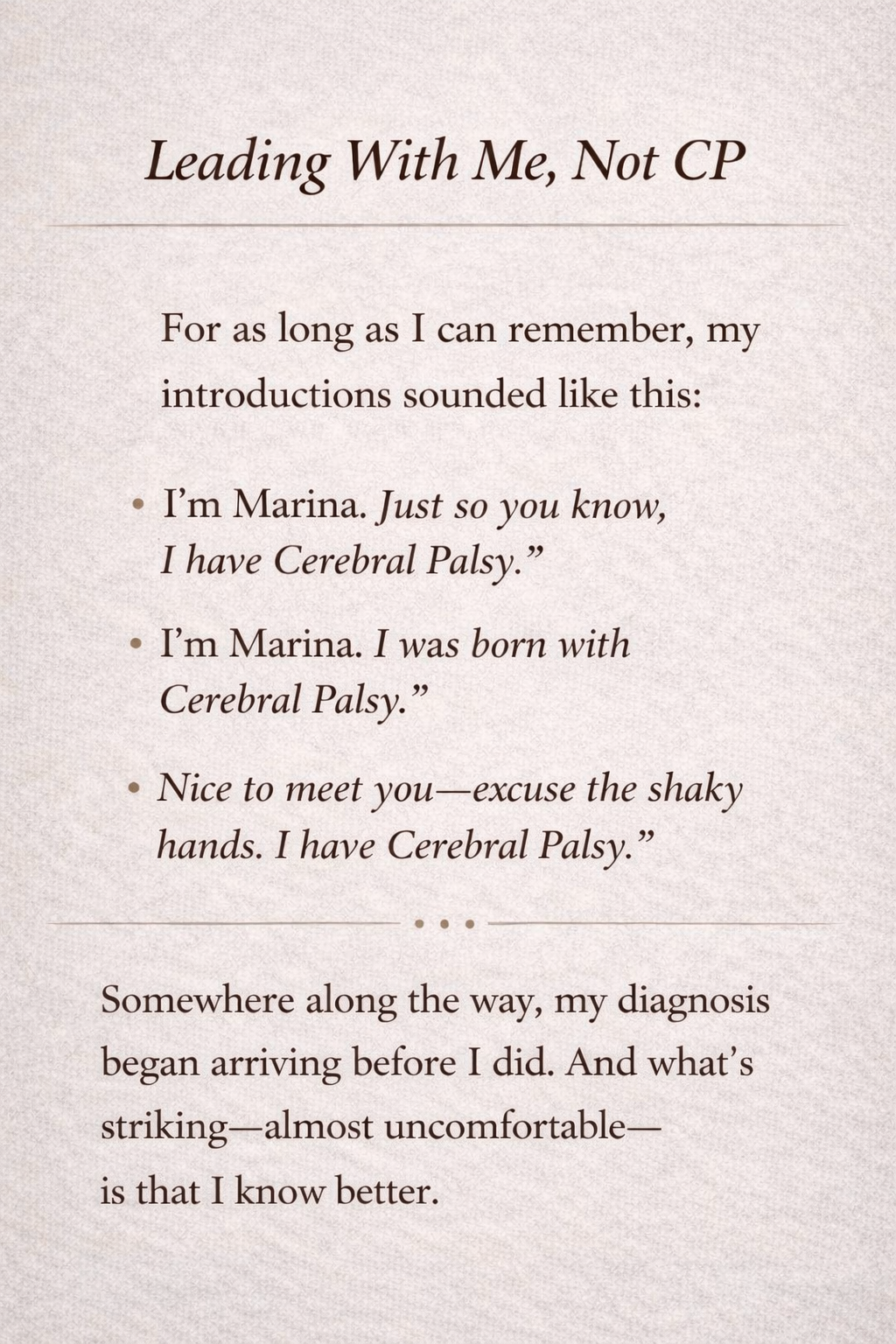
LEADING WITH ME
Somewhere along the way, my diagnosis began arriving before I did. Not because anyone asked—but because I offered it first. I thought leading with cerebral palsy made things easier. What I didn’t realize was that I was shrinking myself before anyone else had the chance to see me.
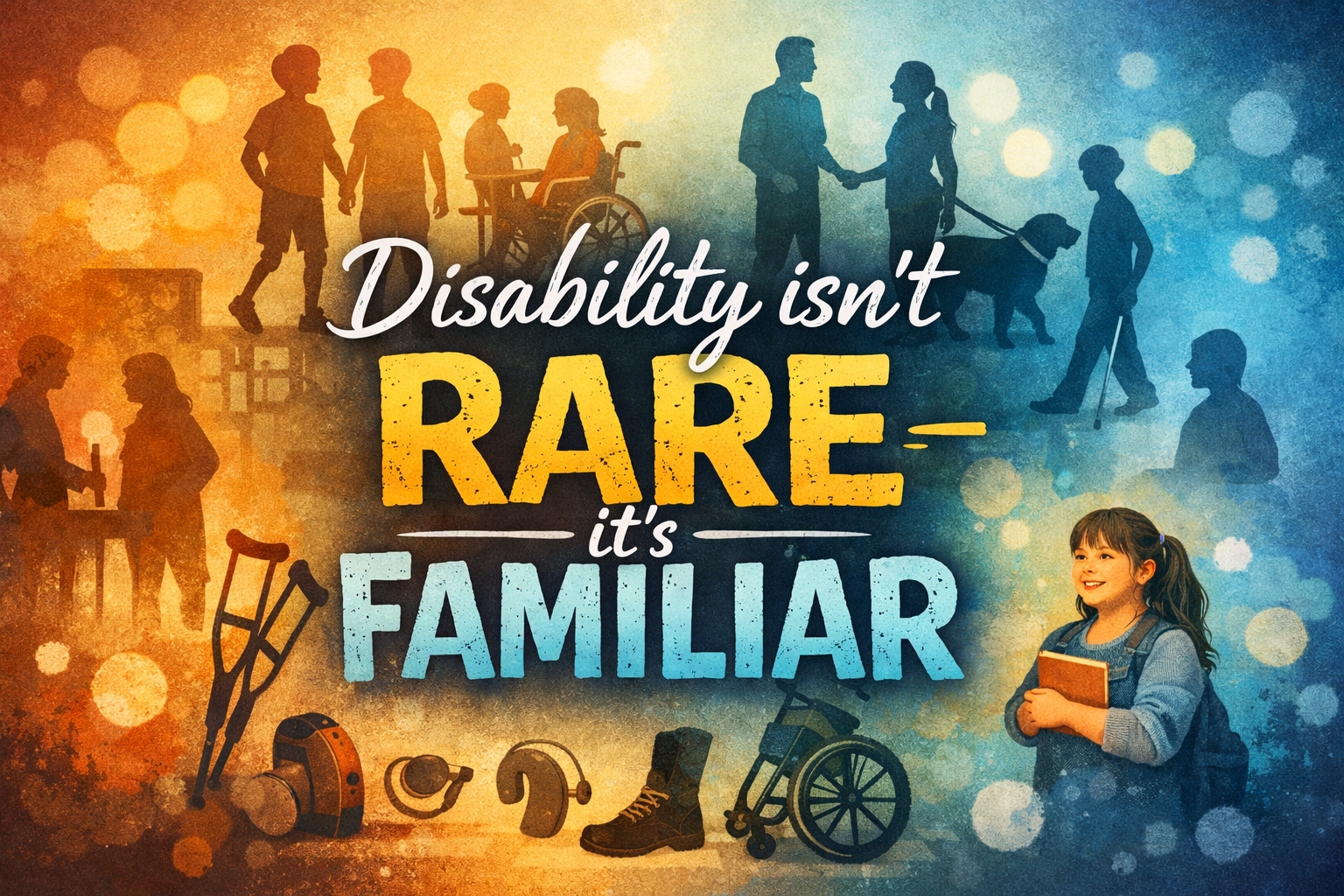
DISABILTY ISN’T RARE - IT’S FAMILIAR
After surveying 60 people and learning that every single one knew someone with a disability, I realized something powerful: disability isn’t rare—it’s familiar. From the tremors I worried would define me in a high school classroom to the clarity that came with time and confidence, this reflection explores how disability is not an interruption to life, but a deeply human part of it—and how choosing how we’re perceived can be just as important as how we’re seen.
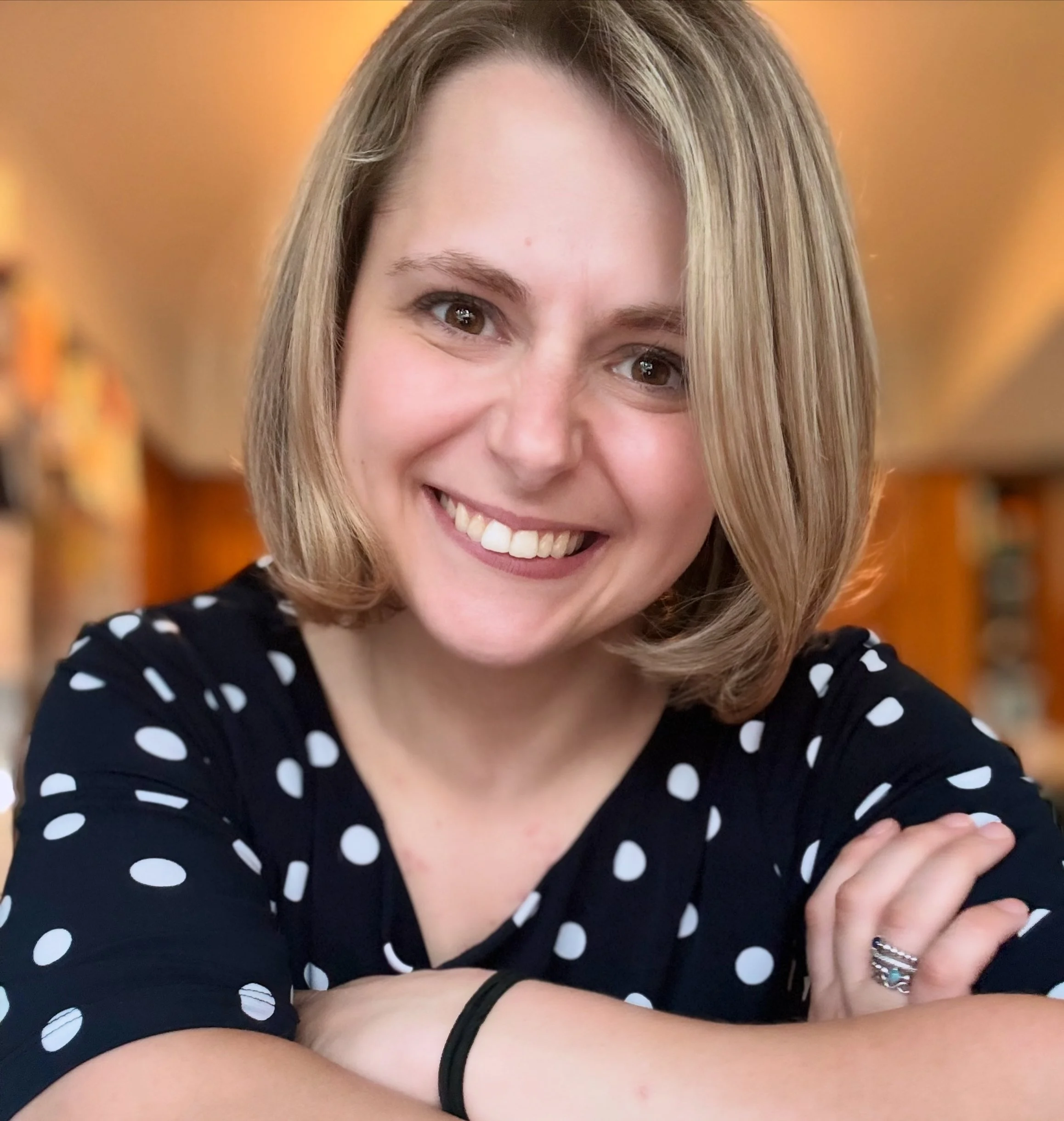
Finding My Voice (And Maybe a Few Missing Planks)
Growing up with cerebral palsy taught me how to apologize for my body—until humor helped me turn the volume up on my voice.
DisLabeled, Not Disabled
I’m not less—I’m more. This is about reclaiming labels, humor, and identity on my own terms.
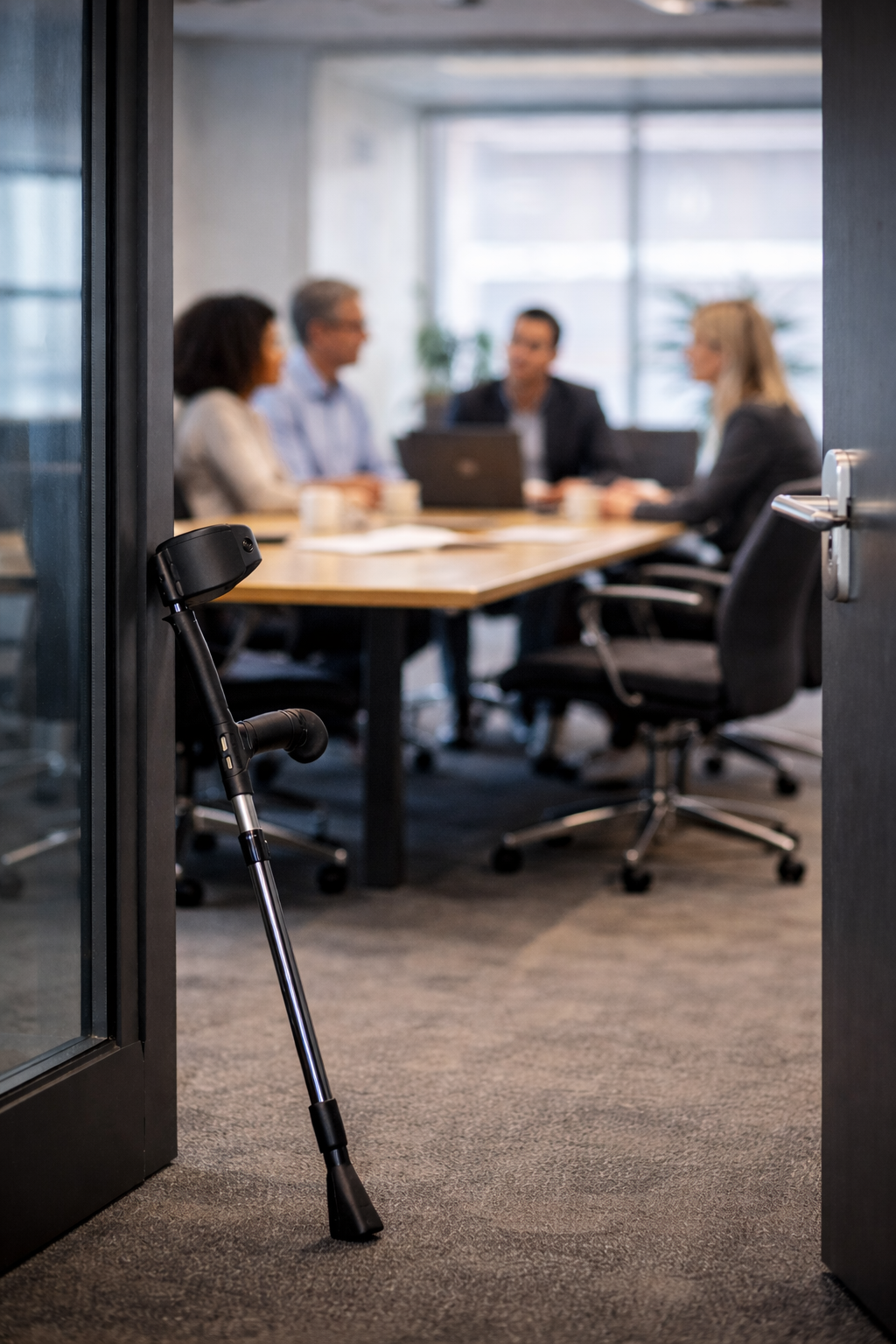
My CP Walks In the Door, But My Work Stays in the Room
I don’t want pity or lowered expectations. I want to be measured by my work.

Finding the Funny in the Flailing
Life with tremors comes with bloopers. Laughter makes them survivable.